
In Massachusetts, Cannabis is a Team Effort
From cultivation to final sale, the Cannabis Control Commission regulates hundreds of licensed businesses to maintain a safe, equitable cannabis industry. These businesses have achieved over $10 billion in gross sales, created thousands of jobs, and generated billions in tax revenue.
Watch this video to learn about the cannabis industry’s economic footprint in Massachusetts.
Total Gross Sales
Ten years after the legalization of adult-use cannabis and eight years after the first two adult-use retail stores opened in Northampton and Leicester in November 2018, adult-use Marijuana Establishments have exceeded $10 billion in all-time gross sales. Adult-use retailers, including Marijuana Retail stores, Delivery Operators, and Microbusinesses with Delivery Endorsements, crossed the $10 billion milestone September 5, following a record-breaking June with $156 million in sales—the highest single month ever.

Number of Active Licensed Businesses
Commission staff are continuously reviewing licensing applications and working with applicants to move them through the licensing queue. At public meetings, Commissioners vote to approve licenses, including retailers, cultivators, product manufacturers, and delivery operators, among other license types. The Commission is also preparing to offer three new license types for Social Consumption Establishments. To date, almost 800 licensees have received notice to commence operations in the Commonwealth.

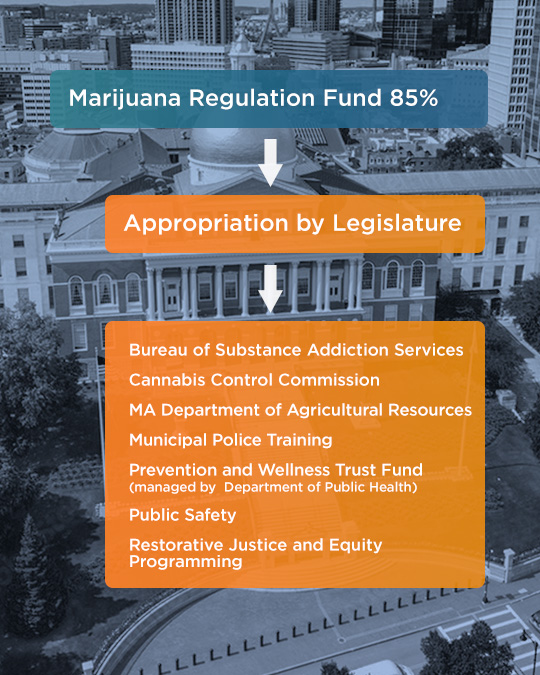
FY26 Total Tax Revenue and Marijuana Regulation Fund Allocations
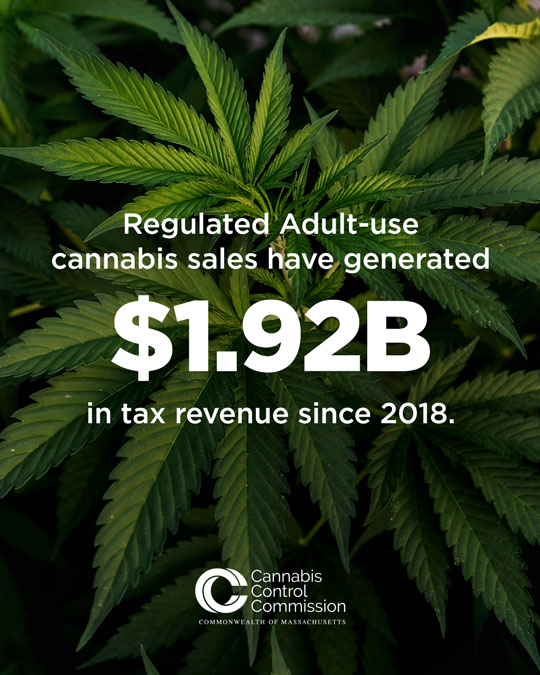
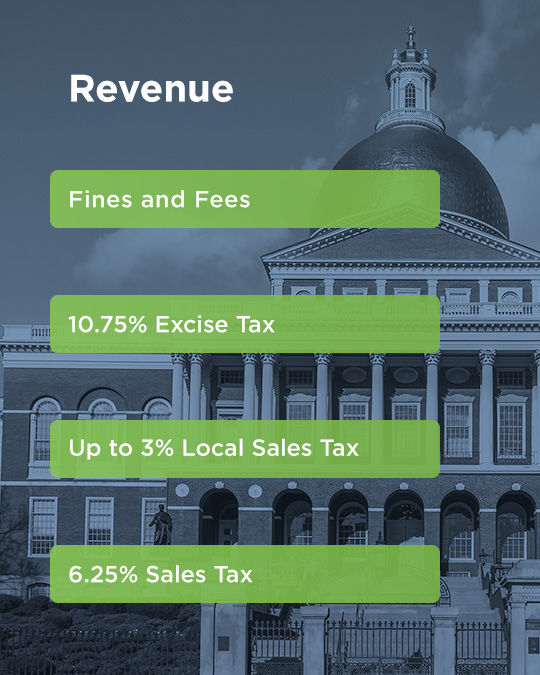
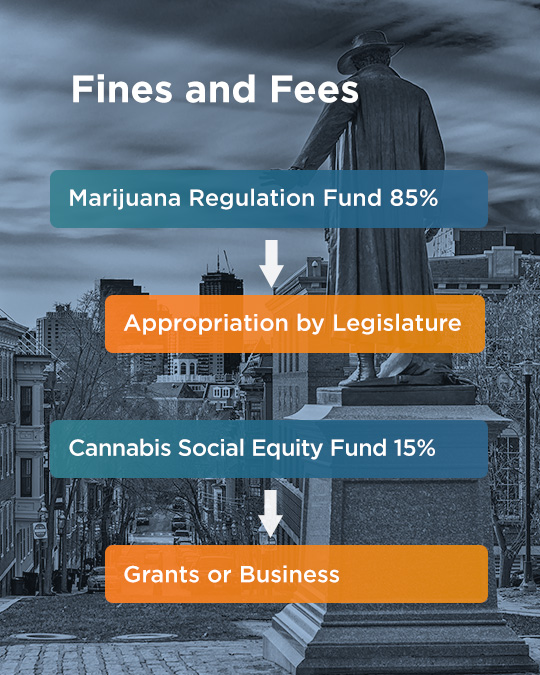
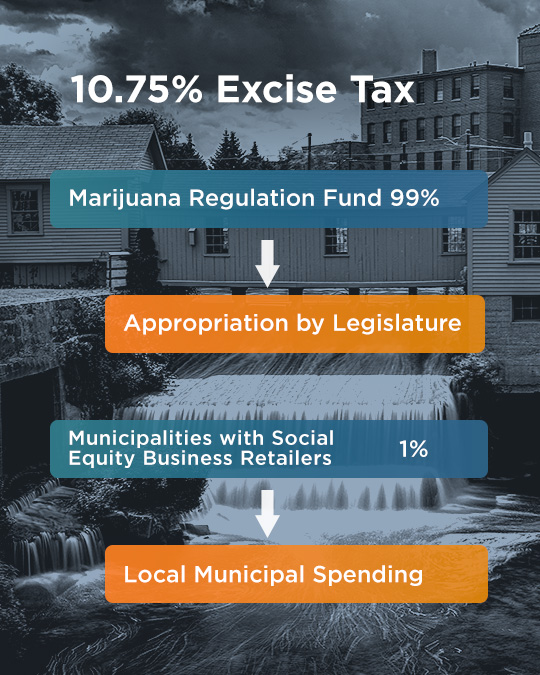
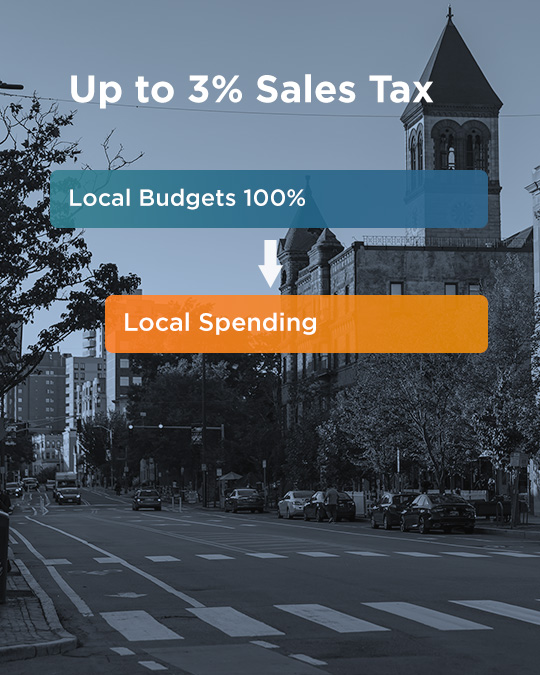
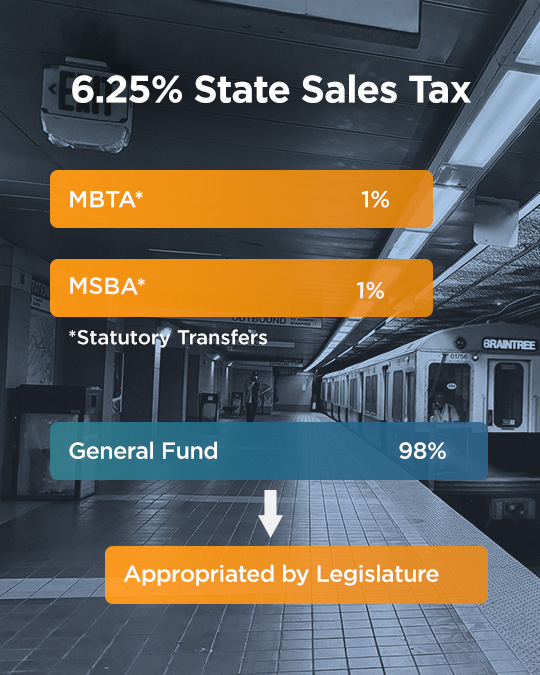
All adult-use cannabis products sold in Massachusetts are subject to a 10.75 percent excise tax, 6.25 percent sales tax, and a local option tax for cities or towns up to 3 percent. All tax revenue, plus license fees and fines collected by the Commission, flows into the Marijuana Regulation Fund (MRF), which the Legislature uses each year to support various state and municipal services. Although the Commission receives a portion of state tax revenue to support agency operations and administration of the Medical Use of Marijuana Program, the agency’s funding comes through the annual state budget process. Marijuana tax revenue funds many state government departments, programs, and public services, including public safety initiatives, municipal police training, restorative justice and equity programming, and substance addiction services. Since legalization, regulated adult-use cannabis sales have generated nearly $2 billion in state and local taxes.
Number of Total Registered Agent Roles
Approximately 18,000 jobs have been created across the regulated industry, from growers and lab specialists to budtenders and drivers. Not included in this number are the many people employed by businesses that service the industry, from cleaners and electricians to accounting and marketing personnel.

Funds Distributed to Equity Participants via the Cannabis Social Equity Trust Fund
The Cannabis Social Equity Trust Fund, established by Chapter 180 of the Acts of 2022, provides grants to entrepreneurs from communities that have been disproportionately harmed by marijuana prohibition and enforcement. Since 2024, 15 percent of the MRF has been allocated to support the trust fund, which the Executive Office of Economic Development oversees.

2016 vs. 2026 Ballot Measures
In 2016, 53.66% of Massachusetts residents voted YES to a ballot measure to legalize cannabis for adult use. Ten years later in 2026, a ballot measure that threatened to repeal the law failed at the polls after 75.62% of Massachusetts residents voted NO against a repeal.
This map shows a comparison of how Massachusetts cities and towns voted in 2016 versus Question 8 in 2026. The map places cities and towns into two categories: Flipped (opposed legal adult-use cannabis in 2016 but flipped to protecting the law in 2026); and Consistent (no changes between 2016-2026).
Of the 351 cities and towns in Massachusetts, 257 towns voted YES in 2016 and stayed consistent in support of legal adult-use cannabis in 2026; 91 towns voted NO in 2016 but then voted NO in 2026 against the repeal. Three towns were unreported.

Additional datasets can be found in our Data Catalog. Please note that all data is self-reported.